
THE SYRACUSE CONNECTION: HISTORY& BACKGROUND
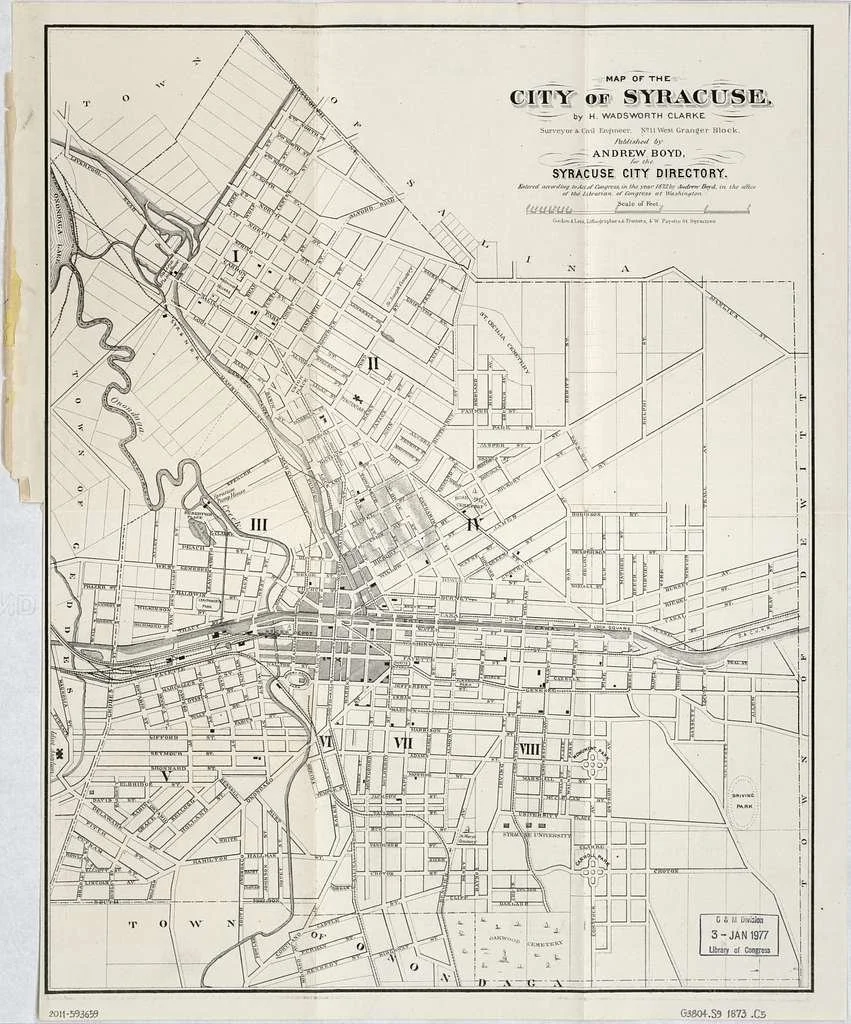
Syracuse, New York is marked by deep histories of poverty, racial disparity, and structural inequality. Located on the traditional lands of the Onondaga Nation, the city is also home to one of the oldest Black communities in the United States, dating to the early nineteenth centuryIn recent decades, the city has also become a major resettlement site for refugees from countries such as Syria, Iraq, Sudan, and Somalia, with more than 8,000 individuals settling in a city of roughly 142,000. These communities are often geographically and socially separated, reflecting broader national patterns of racial hierarchy shaped by intertwined histories of settler colonialism, slavery, and migration. Syracuse University, a predominantly white and non-local institution and the county’s second-largest employer, plays a central yet uneven role in the city’s economy, with high costs of attendance and limited accessibility reinforcing existing inequalities despite initiatives like the Say Yes to Education program.
These structural inequalities have long produced both tension and activism across the city and university. Building on the work of community organizations like the Dunbar Center and the North Side Learning Community, it seeks to foster connections between Black and Arab communities in Syracuse while challenging the racial hierarchies that shape both the university and the city more broadly.